Night Guards: Do You Grind Your Teeth at Night?
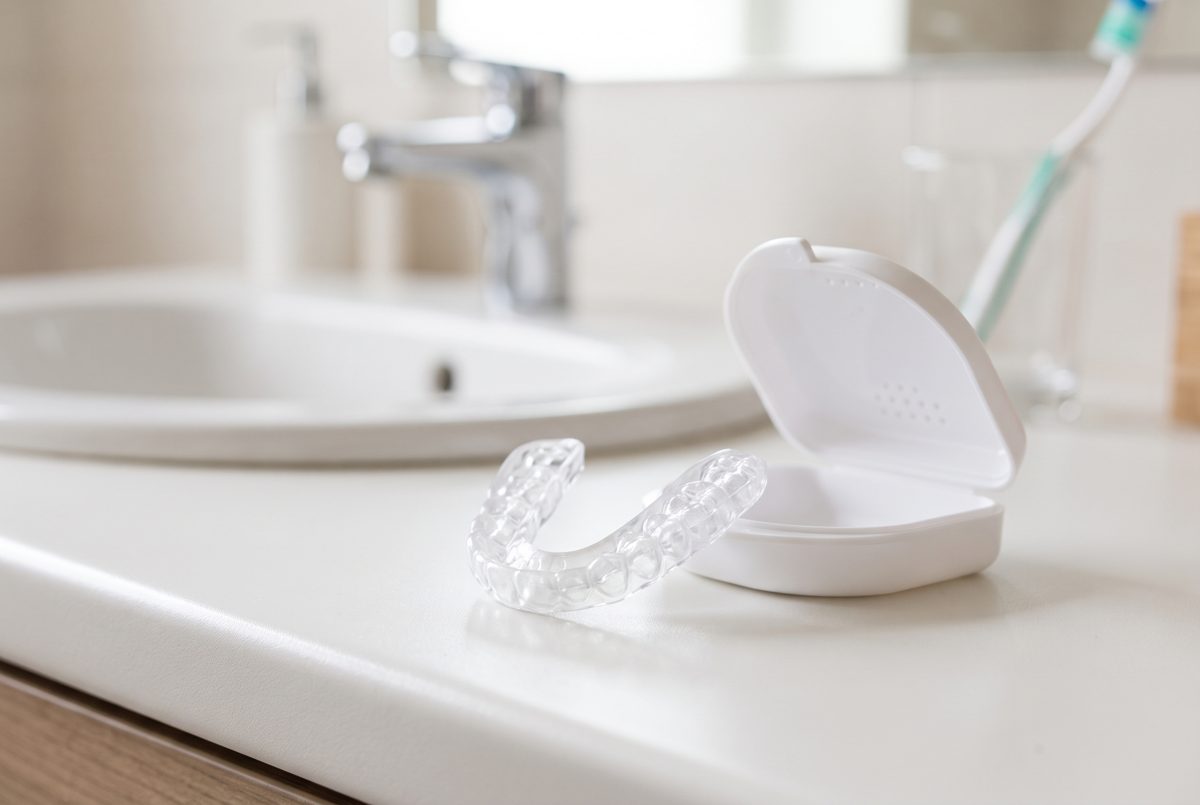
Grinding or clenching your teeth, called bruxism, often happens during sleep, so many people don't realize they're doing it. Over time, it can damage your teeth and cause pain that's easy to blame on something else.
Common signs of nighttime grinding
- Waking up with a sore jaw, a headache, or aching teeth
- Teeth that look flat, worn, chipped, or cracked
- New tooth sensitivity to hot or cold
- A partner who hears grinding sounds at night
What causes it?
Stress and anxiety are common triggers, but grinding can also be linked to sleep problems, the way your teeth fit together, caffeine, alcohol, and some medications. Your dentist can help you sort out what may be contributing.
How a night guard helps
A night guard is a thin, protective appliance worn over your teeth while you sleep. It takes the force of grinding so your teeth don't. It won't necessarily stop the habit, but it protects your teeth and can ease jaw strain.
Custom vs. store-bought
Over-the-counter guards are made to fit everyone, so they're often bulky and can shift during the night. A custom night guard is made from impressions of your teeth, so it fits precisely, feels more comfortable, and tends to last longer.
Caring for your night guard
- Rinse it and brush it gently each morning.
- Let it dry and store it in its case.
- Keep it away from hot water and direct heat, which can warp it.
- Bring it to your checkups so we can make sure it still fits.
If you notice any signs of grinding, mention them at your next visit. A quick exam can tell us whether a night guard makes sense for you.
This article is general information and isn't a substitute for a dental exam. Have a question about your own teeth? Call us at (410) 747-7495.
Ready to schedule your visit?
New patients welcome. Most PPO plans accepted.